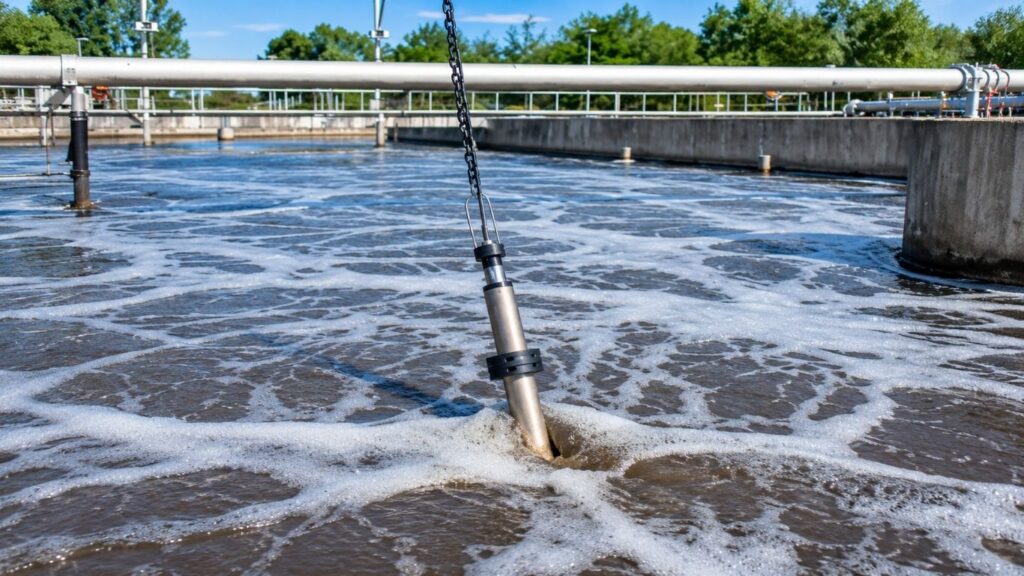
Multiparameter Sonde: How to Choose a Water Quality Monitoring Probe for Industrial Applications
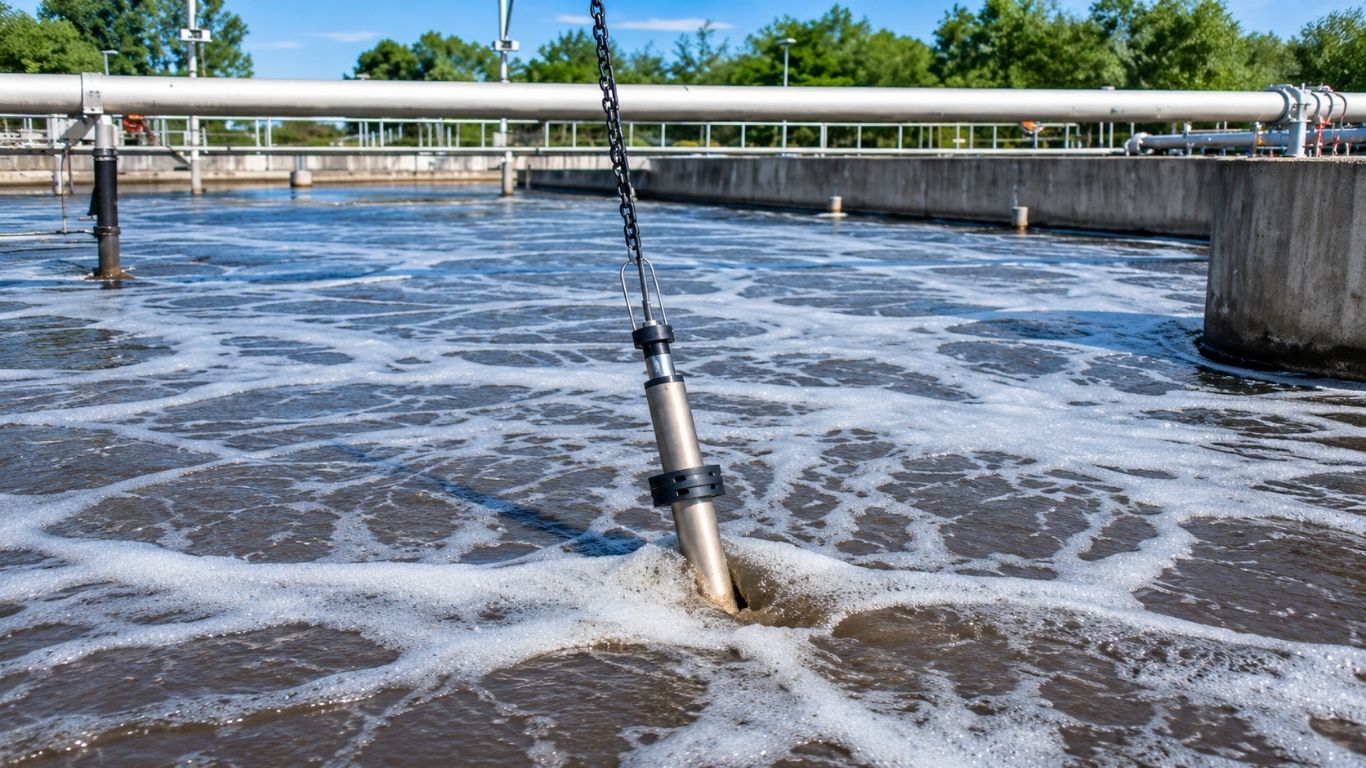
Multiparameter Sonde: How to Choose a Water Quality Monitoring Probe for Industrial Applications
Many plants will experience late detection of water quality issues. Results from the laboratory are often hours after the effluent has exited the tank. A Multiparameter Sonde will collect several sensors into one device and monitor these parameters continuously. Choosing the correct one can be difficult. The following guide will take you through what to consider and in which order to ensure you select the correct probe for your process.
What is a Multiparameter Sonde?
Simply put, it is a water quality probe with multiple sensors within and outputs to a controller, logger or SCADA system.
By reducing 5 separate devices with separate cables, cleaning and calibration requirements to 1 device you can reduce the complexity. The sensors all share a power and signal source meaning all measurements will be taken from the same point at the same time. This is important as if there is a drop in pH and DO you will see this happen together allowing you to understand what is going on in your process.
Why Choose a Multiparameter Sonde Over Single Sensors?
If you only require 1 parameter to be measured then a single parameter sensor is the best option for you. If you need a broad overview of your parameters then a Multiparameter Sonde offers 3 main benefits:
- One installation, one cable and one junction box.
- Correlated data, See trends for pH, conductivity and turbidity.
- Easy maintenance , Just one probe to remove, clean and check.
The downside is that you don’t have as much flexibility. If one sensor fails you may have to remove the entire probe, unless you have a design that allows individual sensors to be changed.
Which Parameters Should Your Multiparameter Sonde Measure?
Start from the problem you are solving, not from the longest sensor list.
pH and ORP
Measures how acidic or alkaline the water is. ORP measures how oxidising/reducing the water is. Used to control neutralisation and disinfection.
Dissolved Oxygen
Important in aeration tanks and aquaculture to ensure adequate oxygen levels for biological treatment/fish.
Conductivity, TDS and Salinity
Measure dissolved salts. Important in cooling towers, boiler feed water and reverse osmosis.
Turbidity and TSS
Both measure suspended solids. Important in clarifiers and filters.
COD, BOD and Ammonia
Most important in wastewater. Usually optical COD/BOD sensors will give an estimate based on light absorption. Make sure to compare to lab results.
7 Considerations When Choosing a Multiparameter Sonde
- Purpose – Depending on whether you will be using it for compliance, process control or early warning you will need different accuracies and response times.
- Parameters – Decide what parameters you need to measure now and in the future. If you know you will be adding more sensors then choose a modular Multiparameter Sonde.
- Water Profile – Make a note of the temperature, pH range, solids, oils and chemical content. This will determine what housing and sensors you will need.
- Sensors – Often optical DO sensors will have lower maintenance requirements but this can vary depending on cost and application.
- Fouling – Biofilm and greasy build up can cause drifting. Ask if they offer wipers, brushes or air blast.
- Outputs – Most will offer RS485 Modbus or 4-20ma. Ensure these are compatible with your PLC/controller.
- Support – It is more important to have calibration solutions, spare sensors and a contactable technician than a spec sheet.
Where a Multiparameter Sonde Works Best in Industry
Common applications include Effluent Treatment Plants (ETP)/Sewage Treatment Plants (STP), Power Plants, Food & Beverage, Aquaculture, Mining and Drinking Water.
A textile ETP could have a pH and Conductivity probe in the equalisation tank so operators know when shock loads are coming into the biological stage. A second probe could be placed on the outlet to confirm the discharge is within limits by measuring pH, TSS and COD. The same can be done on a boiler feed line or fish pond. Place the probe where any change will cause you to incur costs.
Mistakes to Avoid When Buying a Probe
- Extra parameters you don’t need. Extra sensors mean extra calibration.
- Not considering fouling. A great sensor will struggle if it is covered in a layer of sludge.
- Not comparing to lab results. Data from online will not be trusted until it has been compared.
- Incorrect placement. Dead zones, air bubbles and high turbulence will cause incorrect readings.
Tips for Installation & Maintenance
Place where there is representative flow and the sensors are submerged. Clean the probe regularly to match the fouling. In dirty effluent this could be weekly, in clean water less frequently. Calibrate according to manufacturers guidelines. Compare the results to a lab grab regularly. Keeping a simple log of when you clean, calibrate and drifting will make troubleshooting much quicker.
Key Points
- A Multiparameter Sonde has multiple sensors in one probe to give correlated continuous readings.
- Choose parameters based around the issue you are facing in your process.
- Consider the water chemistry, fouling and local support to ensure long term performance.
Conclusion – Choosing the Right Multiparameter Sonde
Choosing the correct Multiparameter Sonde will give you early warning. Start with the 2 or 3 parameters that drive your decisions. Confirm it is suitable for your water and add more later.
If you would like a second opinion our team at Fluidings can help. We supply online sensors for pH/ORP, DO, COD/BOD/TSS, Turbidity, Conductivity, Ammonia and Residual Chlorine. We also offer a Multi-Parameter Series. Have a look at our range by clicking here or get in touch with our team on info@fluidings.com or +91 8928335585 to arrange a consultation or quote for your ETP/STP.
FAQs
1. What is a multiparameter sonde used for?
Multi parameters of water quality including pH, DO, Conductivity and Turbidity. It is used in industry for continuous monitoring of wastewater, power plants, aquaculture and drinking water. It replaces several single parameter devices.
2. How Many Parameters Should I Measure?
As many as needed for your process. Start with the 2 or 3 parameters that drive your decisions e.g. pH, DO, Turbidity and add more later. The more sensors you have the more calibration and maintenance you will have to do.
3. How Often Should I Calibrate?
This depends on the sensor, water and required accuracy. Follow the manufacturers guidelines and adjust based on drifting. Usually dirty effluent will need more frequent cleaning and checking. Regularly compare to lab results to ensure accuracy.
4.Can I Use a Multiparameter Sonde in Wastewater?
Yes as long as the housing, sensors and cleaning method are suitable. As wastewater can cause fouling, solids and varying chemistry make sure the materials are compatible. Ask if they offer self cleaning options. Make sure to compare optical results for COD and TSS to lab results.
5. What is the Difference Between a Sonde and a Probe?
Often the terms are used interchangeably. A sonde usually refers to an instrument that can be immersed with multiple sensors. A probe can be a single sensor or full device. Both measure water quality directly in the water. Suppliers will use either term.