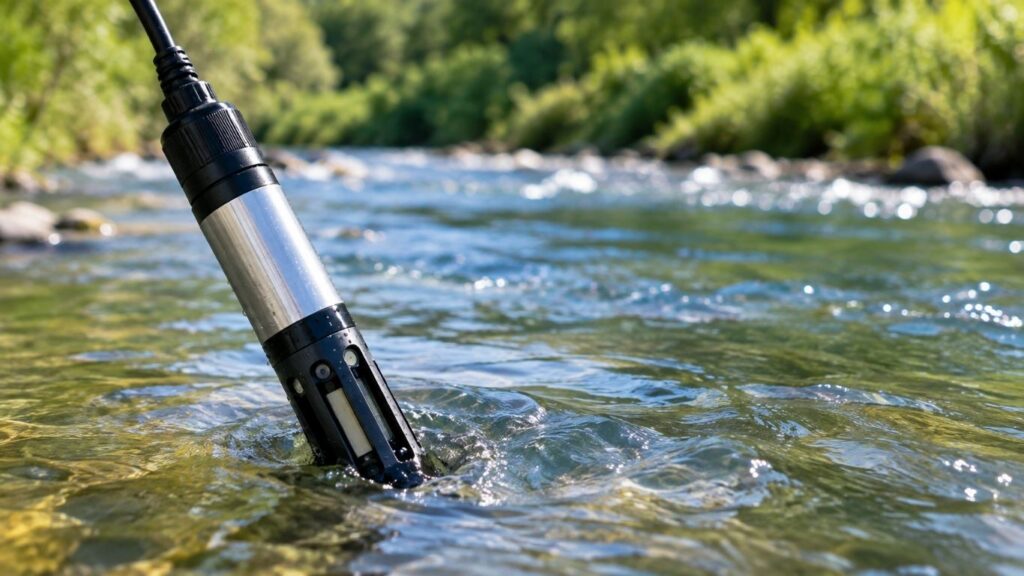
Looking for a Water Quality Sensor in India? How to Choose the Right One for Your Application
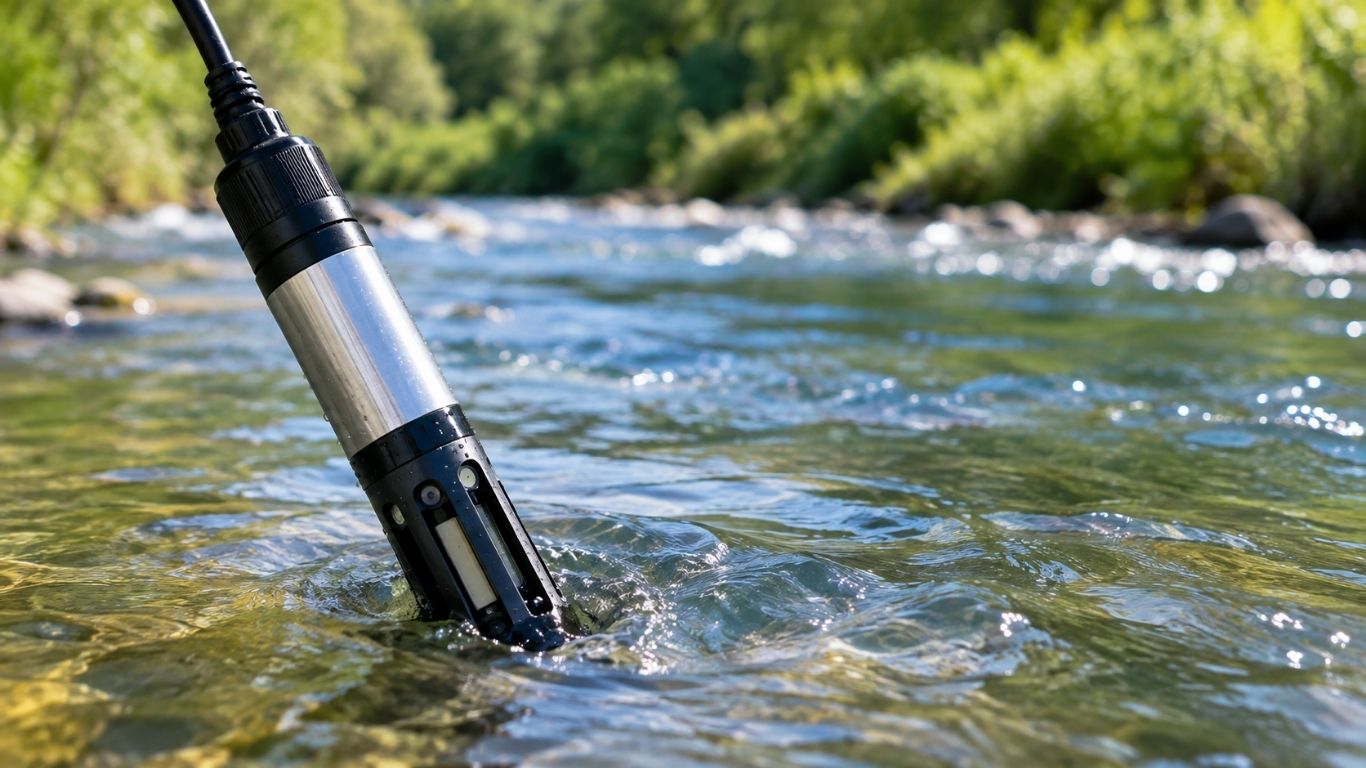
Looking for a Water Quality Sensor in India? How to Choose the Right One for Your Application
- Sep 30, 2026
If you’re looking for a water quality sensor in India, one must be aware that you are faced with dozens of different brands, another dozen of parameters that can be measured, and prices varying from a few thousand rupees to several lakhs. Taking into account India’s peculiarities of the water situation, which includes hard ground waters, presence of fluoride and arsenic in particular areas, monsoon-induced turbidity increase, and requirements of effluent discharge from factories, it becomes rather difficult to choose a sensor suitable for particular needs.
This article helps in choosing the right water quality sensor for a particular application such as management of municipal supply lines, aquaculture farming, effluent monitoring from factories, and just testing drinking water at home. As a result of the reading, you will know what parameters are important in particular situations, which parameters should be considered when purchasing the device, and where water quality sensors usually fail under field Indian conditions.
What Is a Water Quality Sensor, Exactly?
Water quality sensors are devices designed to measure some aspect of water quality, such as the pH, turbidity, temperature, dissolved oxygen, or total dissolved solids (TDS) of the water in question and turn those readings into readable information or output. Some sensors provide you with a single reading that can be read via a handheld device while others continuously feed readings into some type of dashboard or SCADA software.
The basic function is consistent regardless of application: provide you with reliable, accurate information regarding whether or not the water in question is meeting whatever water quality standard it should be for its purpose.
Why This Decision Matters More in India
Finding the right water quality sensor in India means operating under significantly different circumstances than those in Europe or North America.
- Contamination of groundwater is geographically specific. Arsenic contamination is prevalent in West Bengal, Bihar, and Assam. Fluoride contamination occurs in Rajasthan, Gujarat, and parts of Andhra Pradesh. A sensor not sensitive to these parameters is failing at its basic duty locally.
- Temperature variations are wide. Sensors placed in open air should work effectively in the range of freezing mornings in winter to 45°C+ summers in central India.
- Power and connectivity are erratic in many rural and semi-urban areas where monitoring happens. That influences how much you will depend on battery power, solar power, and offline data logging.
- Dust, moisture, and heavy rains caused by the monsoons wear out badly sealed instruments quickly.
That’s precisely the reason why choosing sensors in India is not about simply selecting a “good sensor” – it has to be one designed for these conditions.
Key Parameters to Consider Before You Buy
Before getting into brands or prices, find out what parameters your specific application actually requires. Here are a few pointers.
1. pH Level
This is an important measure of the acidity or alkalinity of the water on a scale of 0 to 14. Ideal drinking water must lie between 6.5 and 8.5 on the pH scale. If you are treating water, dosing chemicals or operating aquaculture ponds, the change in pH is normally the first indication that something is wrong.
2. Turbidity
This is the cloudiness of the water caused by suspended particles and is an important parameter in the operation of drinking water treatment facilities. In India, turbidity increases drastically during monsoon season, thus sensors need a wide range of measurement, not just precise lab values during low turbidity.
3. Total Dissolved Solids (TDS) & Conductivity
The total dissolved solids include dissolved salts, minerals and other organic substances. TDS levels are high in Indian groundwater, especially in coastal and arid regions. Conductivity meters are closely associated and can be considered interchangeably.
4. Dissolved Oxygen (DO)
This is important for aquaculture, fisheries and wastewater treatment. Lack of dissolved oxygen stresses aquatic organisms and kills them, so DO is an essential parameter in serious fish farms and effluent treatment facilities.
5. Temperature
Temperature is an important factor influencing all other parameters – pH, DO and conductivity are influenced by temperature. A quality water quality sensor should definitely have automatic temperature correction.
6. Contaminant-Specific Parameters
In addition to the above factors, you might also have to consider arsenic, fluoride, residual chlorine, nitrate and heavy metals based on your geographical location. Municipal & drinking water applications located within contamination belts must take care of this aspect as a mandatory requirement.
How to Choose the Right Water Quality Sensor for Your Application
This is the point where most buying guides end by saying “know your parameters” and leave you stuck. If you are in India looking for a water quality sensor, go through these six steps.
Step 1: Define Your Application
Is it for compliance monitoring of drinking water, effluent monitoring, aquaculture, agricultural / irrigation purposes or any other research?
Step 2: List Your Must-Measure Parameters
Identify the above-listed parameters against the regulatory requirements (BIS standards for drinking water, CPCB standards for effluent) or operational requirements (DO for fish health, TDS for RO plant).
Step 3: Decide Between Portable and Continuous Monitoring
Handheld instruments should be used when you need spot monitoring, surveys or periodic monitoring.
In-line instruments should be used when it comes to treatment plants or industrial discharge points where you need alarms rather than snapshots.
Step 4: Check the Accuracy and Range That Actually Matches Your Use Case
Lab grade instrument with extremely high precision is just a waste of money if you simply need to find out if turbidity exceeds certain limit. At the same time, an inexpensive device with a narrow range won’t work at monsoon peaks or industrial upsets.
Step 5: Evaluate Build Quality for Indian Field Conditions
Choose IP rated housing (IP65 or better for outdoor applications), corrosion resistant probes, and high humidity/temperature resistant parts. If the instrument works perfect in a lab and starts corroding after half a year of use in coastal industrial facility, it definitely isn’t good choice for India.
Step 6: Factor in Calibration, Maintenance, and Support
Each sensor requires calibration from time to time — with some requiring it more frequently than others. When choosing a product, it is always useful to ask yourself: How often does this sensor require calibration? Do I have access to local support, and how accessible are spare parts or can I afford to ship my equipment overseas for servicing? This is the main difference between similar sensors in terms of specifications.
Common Mistakes to Avoid
There are mistakes even seasoned buyers make from time to time. Beware of:
- Buying based solely on the price. The lower the price, the greater the need for recalibration and inaccurate readings due to poor drift stability.
- Neglecting calibration frequency. A sensor requiring monthly calibration in a distant location could prove a maintenance nightmare.
- Failing to consider your data logging requirements. If you require historical data to be logged and reported, a sensor without such an option will leave you additional paperwork.
- Selecting a single-parameter sensor where a multi-parameter probe is necessary. Buying pH, TDS, and DO as separate devices would be more expensive and cause potential problems with reliability.
Applications Where the Right Sensor Choice Makes the Biggest Difference
- Water supply for municipal use: continuous monitoring at treatment plants and points of distribution to detect contaminants before it is consumed by the end user.
- Effluent treatment in industrial plants: real-time monitoring to meet CPCB discharge standards without penalty.
- Aquaculture/Fisheries: DO and pH sensing to avoid any losses of the stock.
- Agricultural Irrigation: TDS and pH testing to preserve soil integrity and maximize yield.
- Environmental research: monitoring of rivers, lakes, ground waters, where field rugged instrumentation is essential.
Final Thoughts
Looking for a water quality sensor in India? Forget about looking for the most advanced or affordable solution – the best thing to do would be to get an instrument that suits your parameters and environment. Choose the right parameters and environment and everything else will fall into place – accuracy, reliability, and efficiency included.
At Fluidings, we collaborate with municipal authorities, industrial companies, aquaculture facilities, and research institutions in India and specify sensors that perform well under field conditions, rather than lab conditions only. Don’t know which parameters and configuration to choose? Browse through our wide selection of water quality sensors or contact us for a quick consultation – we can suggest a solution tailored to your needs without any obligations from your side.
Frequently Asked Questions
1. Where do I start in my search for a water quality sensor if I am in India?
With your application and legal requirements, and not with the sensor. You will first need to know which parameters you have to measure as per law or your own operational requirements – pH, turbidity, TDS, DO or anything specific to the contaminant, and only then you could select the sensors that will do the job.
2. How frequently is a water quality sensor calibrated?
This varies depending on the parameter being measured and the sensor itself, but pH and DO sensors will require recalibration every few weeks to months under continuous operation. Contact the supplier and find out how often each of your sensors needs to be calibrated before purchasing them, as well as taking this into account when budgeting for maintenance costs.
3. Is it possible to measure several water quality parameters with one sensor?
Yes, multi-sensors probes are popular and are typically cheaper than purchasing single-sensor probes individually. Using multi-sensors is especially useful when there is a limitation in available space and power access, e.g., in small treatment facilities or remote locations.
4. Is it possible to use a portable sensor for compliance reporting?
Portables can be accurate enough for compliance purposes when calibrated properly, but inline continuous sensors are more commonly used.
5. What is the general price range of water quality sensors in India?
This can differ significantly depending on your needs for accuracy and ruggedness, ranging from a few thousand rupees for a simple one-parameter portable meter to several lakhs for industrial multi-parameter meters. The exact value will depend on your need for logging capabilities and wireless transmission.
6. Is there any way to determine whether a particular sensor model is capable of operating in Indian environmental conditions?
Look for the IP rating (minimum IP65 if it is intended for outdoor use), the range of operating temperatures and the resistance of the material used for the probe to corrosion from high-TDS or saline waters. If the supplier fails to specify all of this information, ask him/her directly.