How to Choose the Right Multiparameter Water Quality Sensor in India: A Complete Buying Guide
How to Choose the Right Multiparameter Water Quality Sensor in India: A Complete Buying Guide
If your job involves selecting water testing instruments for an aqua-farming facility, treatment plant, or industrial unit in India, there’s a high probability that you’ll understand very soon that a single-parameter water quality meter cannot suffice any more. It is the reason why the demand for a Multiparameter Water Quality Sensor in India has risen drastically in recent years. Regulatory authorities need consistent data, treatment plant managers require minimal manual testing, and everybody expects reliable results from their devices. But buying the wrong multiparameter sensor may be very expensive since such devices may give false measurements, raise regulatory issues, and even fail soon after purchase.
This article will help you learn about the functionality of the above-mentioned instruments, parameters necessary for Indian conditions, and ways of making the correct choice.
What Is a Multiparameter Water Quality Sensor?
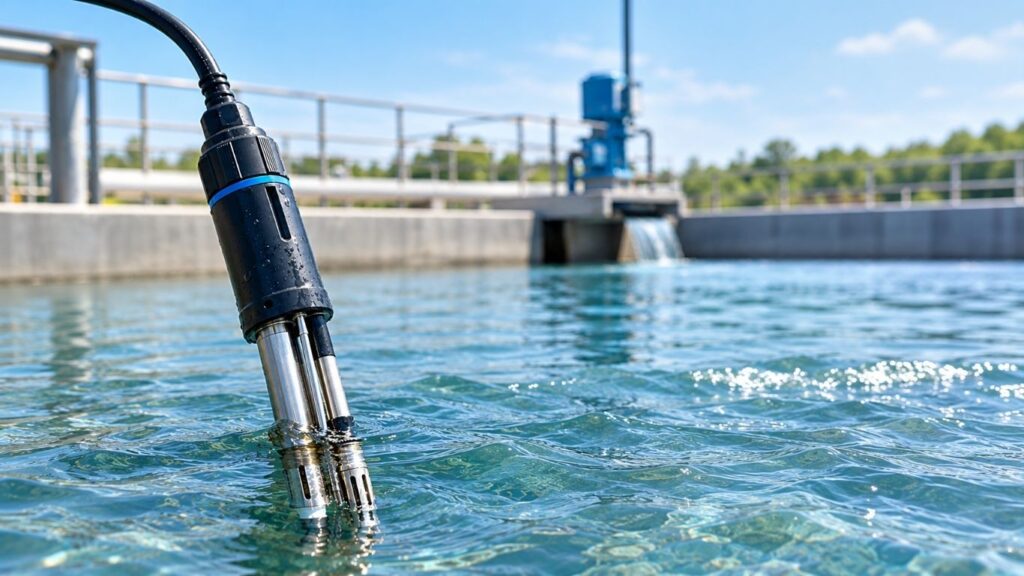
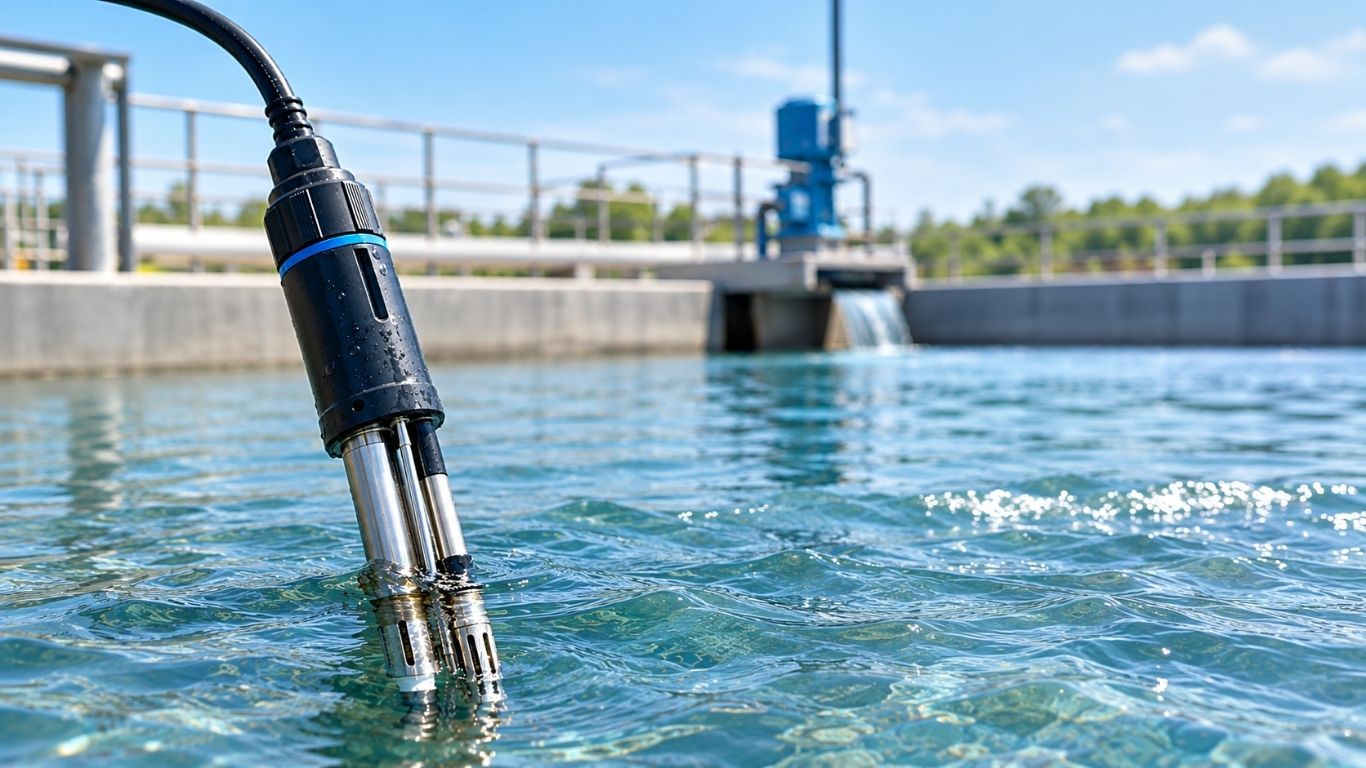
The multiparameter water quality sensor is an instrument that simultaneously checks a variety of water parameters such as pH, turbidity, dissolved oxygen, and so forth at once rather than using various meters separately for checking all the different water quality parameters. Essentially, this would mean that we are packing five or six laboratory instruments together into one handy instrument.
In the case of industries in India which are operating sewage treatment plants (STPs), effluent treatment plants (ETPs), water treatment plants (WTPs), and process water lines, it would be more efficient to use the multiparameter water quality sensor since it will require less equipment, fewer calibration procedures, and also simpler wiring.
Why Industries in India Need a Multiparameter Water Quality Sensor
The laws concerning water in India have become stricter, and now the pollution control boards ask for the constant online water quality monitoring rather than the spot grab sampling. That is why the multiparameter water quality sensor in India becomes so useful.
Compliance with CPCB and State Pollution Control Norms
The vast majority of STPs and ETPs have to provide information on COD, BOD, TSS, and pH to state pollution control authorities at regular intervals. The right configuration of sensors makes this process automated, eliminating the need for additional manpower and potential errors of manual grab sampling.
Aquaculture and Agriculture Applications
Both shrimp farms and fish ponds in coastal states depend significantly on measurements of dissolved oxygen and ammonia in water to avoid any losses of the stock. With the help of a multiparameter water quality sensor, farmers can monitor this information 24/7, not just two times a day as before.
Industrial Process Control
The consistent water quality is necessary for power plants, pharmaceutical and food processing industries. The real-time monitoring of the process by means of sensors can save operators from serious troubles.
Key Parameters a Good Multiparameter Water Quality Sensor Should Measure
While not all applications require all of these parameters, a truly universal multiparameter water quality sensor for use in India would be one that can handle most of the following:
pH, ORP and Ion Sensors
A pH sensor provides information about the acidity or basicity of water, while ORP (Oxidation Reduction Potential) sensors provide information on the water’s ability to degrade pollutants. These readings are essential for any water purification process.
COD, BOD, and TSS
COD, BOD, and TSS parameters are the ones that concern pollution boards the most, particularly when it comes to discharge from STPs and ETPs.
Dissolved Oxygen (DO)
DO parameters are critical for aqua-culture and biological water purification processes and provide information about the amount of oxygen available for living creatures.
EC, TDS, Salinity and Resistivity
EC and TDS sensors measure the concentration of dissolved ions in water, which is crucial for drinking water quality and for monitoring RO plants and industrial process water.
Turbidity and TSS
It is an indicator of the clarity of water, which can indicate sediments, algae, or any contaminants entering the system.
Chlorine, Ozone, and Ammonia
FCL (Free chlorine), dissolved ozone, and ammoniacal nitrogen sensors are important for disinfection and are very useful to determine nitrogen loading in wastewater.
Chlorophyll, CDOM, and Blue Green Algae Sensors
They are required in reservoirs, lakes, and pollution source monitoring sites. This is because India has now started monitoring surface water bodies.
How to Choose the Right Multiparameter Water Quality Sensor in India
Now comes the important bit – making your decision. Here’s a pragmatic and step-by-step approach for you to take.
- Firstly, establish your requirement– Different sensors are required in a STP, aquaculture farm, and drinking water plant. Purchase something specific to your application and not a general-purpose sensor.
- Check compliance – What does your local pollution control board require you to report? This will give you an indication of which parameter combination should be on your multiparameter water quality sensor.
- Examine build and material used – Indian water bodies are of various types – ranging from saline water to effluents with suspended solids. Sensors should have good resistance to corrosion and capable of being submerged all the time.
- Find out calibration frequency and feasibility – Some sensors may require calibration every day which can be a hassle for your workforce. Get the supplier to tell you the frequency of calibration in Indian field conditions.
- Consider remote access and IoT capabilities – You need to have some kind of remote access facility in your sensor, which ideally should be able to connect to cloud dashboard/SCADA systems.
- Inquire about after-sales services – There is always a need for replacement probes and firmware updating for sensors. The supplier who does not have after sales service centers in India might trouble you at some point.
- Compare the total cost of ownership and not only the initial cost – Usually, cheaper instruments lead to shorter life span of probes or high cost proprietary reagents.
- Ask for demo or trial data set – The reliable supplier would give you an opportunity to compare data from sensors with laboratory data.
Common Mistakes to Avoid When Buying a Water Quality Monitoring System
Even experienced plant managers make these mistakes. Some mistakes include the following:
- Buying the monitoring system just because of low cost – The lowest-cost multiparameter water quality sensor from India may not offer the necessary probe longevity for industrial applications.
- Failing to take into account the water matrix of the area – A sensor calibrated for potable water might not perform well with effluents or brackish aquaculture.
- Neglecting to purchase an instrument along with the reporting dashboard – A water quality sensor will not be of any use without proper data integration.
- Failing to consider the spare parts availability – A sensor which is imported and does not have any local distributor may end up incurring a lot of downtime due to a broken probe.
Why Fluidings Is a Trusted Choice for Water Quality Monitoring in India
Fluidings offers the entire line of online water monitoring instruments tailored for Indian industrial, municipal, and agricultural conditions — pH/ORP/ION sensors, COD/BOD/TSS analyzers, EC/TDS/salinity sensors, dissolved oxygen meters, turbidity sensors, free chlorine and ozone analyzers, and even multi-parameter system series that are perfect for use at STP, ETP, WTP and aquaculture.
Our specialists cooperate directly with plant engineers, offering the optimal combination of sensors in accordance with your requirements instead of selling the same package to everyone. If you have some doubts about which instruments to choose, it is a good idea to browse through our offer and consult our specialists, who will advise you on what parameters are really important for your enterprise.
Conclusion
Selecting the most suitable multiparameter water quality sensor for your site in India will be about knowing your specific application needs, selecting a set of parameters that meet your compliance requirements and working with an experienced supplier who will be able to provide proper support to your equipment in the long run. Whether you have an STP, aquaculture facility or a drinking water plant, having the best sensor system is a great investment because it helps you reduce the amount of time spent on manual tests, comply with regulations faster and detect problems early on.
Frequently Asked Questions
1. For what purpose do we use a multiparameter water quality sensor?
It is used for measuring several water quality parameters like pH, dissolved oxygen, turbidity, and COD in one instrument. This kind of water quality sensor is used in STP, ETP, WTP, and aquaculture plants where the multi-parameter measurement of different water quality indicators is needed continuously.
2. What is the price range of a multiparameter water quality sensor in India?
The price of the multiparameter water quality sensor varies based on the number of parameters, probe material, and IoT features. Usually, prices are between a few thousand rupees to a few lakh rupees. You can get a quote based on your requirements for a better estimate.
3. Which water quality indicators are to be monitored for STP/ETP compliance?
COD, BOD, TSS, pH, ammonia, and occasionally dissolved oxygen measurements are needed in STPs/ETPs. Your requirement will depend upon the discharge norms of your state.
4. Could these probes be used in aquaculture farms?
Yes. Sensors for dissolved oxygen, pH, ammonia, and salinity are used in fish and shrimp farms to reduce stock losses due to poor water quality, mainly at times when there are changes in temperature or oxygen levels.
5. How frequently do multiparameter probes need calibration?
This is influenced by the water conditions and sensor type but mostly industrial water sensors need to be calibrated every few weeks or months. Fluidings will give you an estimated schedule for your particular case depending on water matrix.
6. How could I select the best sensor supplier in India?
You should select a supplier who has local after sales support, spare probes availability, and industry experience. For example, Fluidings gives you specific advice for your particular industry (STP, ETP, WTP, industrial).